Condensation and Mould in Irish Homes: Why Insulation Is the Real Fix
3 August 2026 · All4Building.ie team
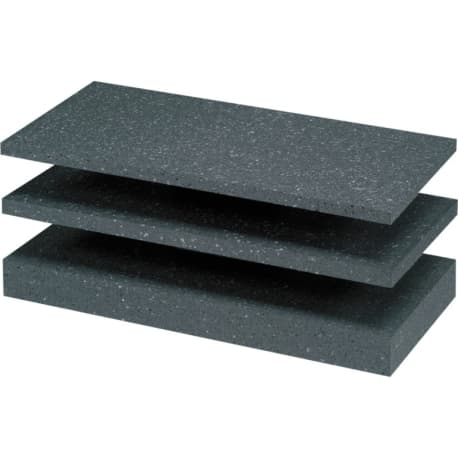
Every autumn the same complaint comes back: black mould in the corner behind the wardrobe, on the reveal beside a window, or along the line where the ceiling meets an outside wall. Wiping it off works for a fortnight. Then it returns.
What is actually happening
Warm indoor air holds moisture. When it touches a surface below its dew point, that moisture condenses out as liquid water. Mould needs almost nothing else to grow.
Which surfaces are coldest? The ones with the least insulation behind them:
- Uninsulated solid walls, worst in corners where heat escapes in two directions
- Window and door reveals, where the wall thins out
- The junction where an upstairs ceiling meets an external wall
- Anywhere a concrete lintel or floor slab passes straight through the wall
These are cold bridges, and the mould map on a wall is effectively a thermal survey drawn by the house itself.
Why ventilation alone rarely settles it
Ventilation removes moisture and is genuinely part of the answer: extract fans that work, vents that are not blocked, drying clothes anywhere but on a radiator. But if a wall surface sits at 11°C in January, normal living moisture will keep condensing on it. You cannot ventilate a cold bridge away.
The order to tackle it
- Rule out real damp. Failed gutters, cracked render, a leaking pipe or rising damp are different problems with different fixes. Condensation is worst in winter, appears on cold surfaces and is often seasonal.
- Fix ventilation and heating patterns. Cheap, quick, sometimes enough on a mild case.
- Insulate the cold surfaces. This is the fix that lasts, because it raises the surface temperature above the dew point.
Internal or external?
Internal dry lining is cheaper and can be done room by room, but it eats floor space and, done badly, moves the cold bridge rather than removing it. Reveals and the wall-to-ceiling junction need particular care.
External wall insulation wraps the building, so the masonry stays warm and the cold bridges disappear. It costs more and changes the outside appearance, but it is the more complete answer and it does not shrink your rooms.
A note on the corner behind the wardrobe
Furniture against an outside wall stops air moving over that surface, so it runs colder than the rest of the room. Until the wall is insulated, leave a gap of a few centimetres behind wardrobes on external walls. It is not a cure, but it buys you a winter.
Need a hand with your job?
Send us your measurements and we will put together a materials list with prices. Call 085 868 8459, message us on WhatsApp or email sales@all4building.ie. We deliver across Ireland from our Cork warehouse.
Need materials for this job?
We deliver trade-quality building materials across Ireland. Call 021 487 6963 or message us on WhatsApp for a quote.
Shop now