Primers
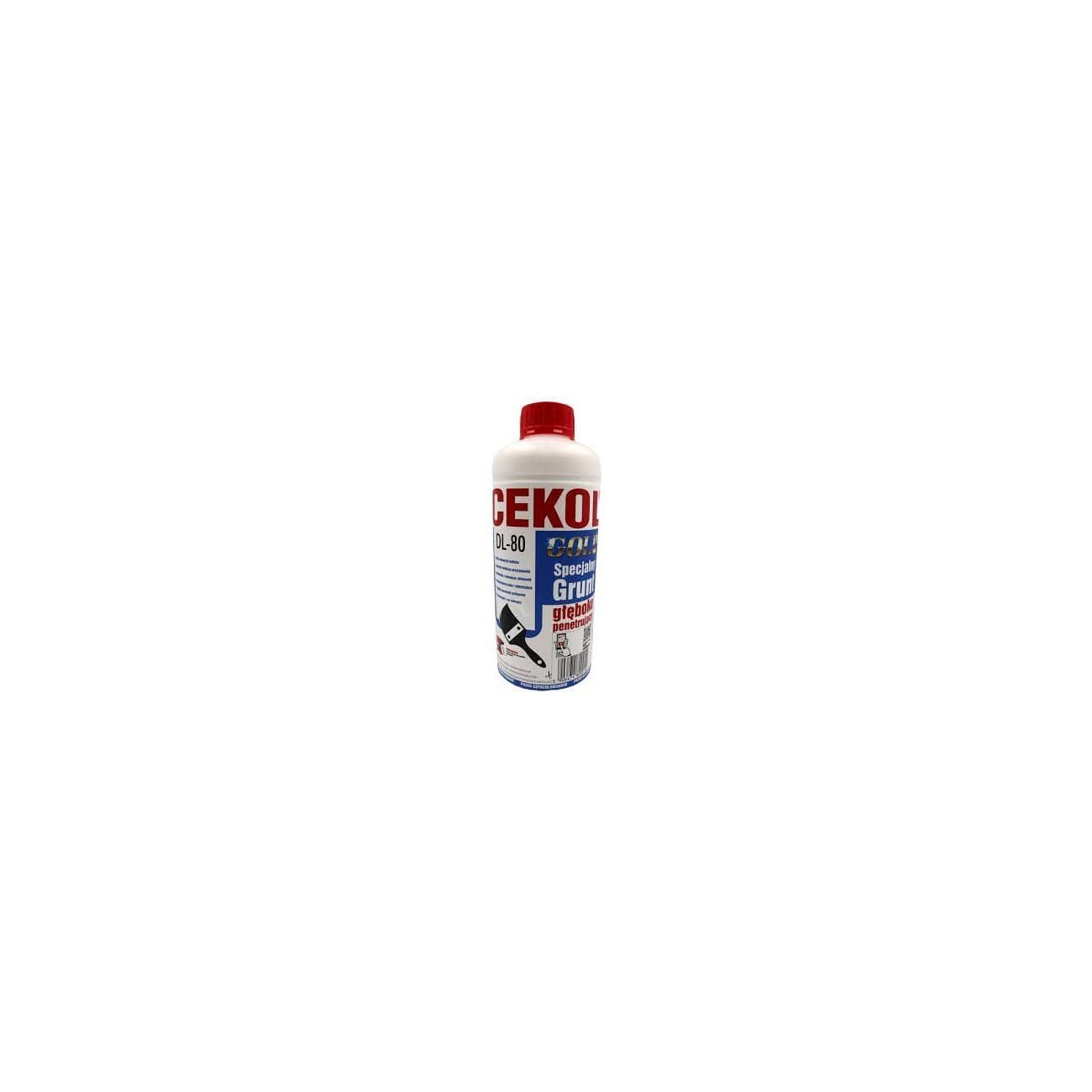
Deep penetrating and bonding primers from Cekol in 1L, 5L and 10L. Seal dusty, absorbent or smooth surfaces before plastering, tiling or screeding.



Primers: what to buy and how to use it
Primer is the cheapest part of a job and the one most often skipped. Nearly every failure of plaster, adhesive or levelling compound traces back to a surface that was too dusty, too absorbent or too smooth for the next layer to grip.
Absorbent surfaces like plasterboard, aerated blocks, old plaster and fresh screed drink the water out of whatever goes on top, so it cures weak and powdery instead of hard. Cekol DL-80 deep penetrating primer soaks in and binds the surface. It comes in 1L for small patches, 5L for a room and 10L for a whole house.
Smooth or non-absorbent surfaces are the opposite problem: concrete, old paint and dense blockwork give nothing to key into. Cekol quartz sand bonding primer leaves a gritty film that plaster and adhesive can hold on to.
The rule of thumb is simple. If the surface soaks up a splash of water, use the deep penetrating primer. If the water sits on top, use the quartz one.
Our guide on which primer to use before plastering covers the awkward cases, including walls that have been painted.