Plastering and tiling in cold weather before winter
26 October 2026 · All4Building.ie team
Cold does not stop the job, it slows it down
Once the daytime temperature starts dropping towards single figures, every cement and gypsum based product on site behaves differently. That does not mean you have to stop plastering, tiling or screeding indoors over the winter. It does mean the drying and curing times from a warm September job no longer apply, and treating a cold site the same way is where a lot of callbacks start.
Gypsum plaster and skim coats feel it first
A gypsum base coat or finish skim sets by a chemical reaction, not by simply losing water to the air, but cold slows that reaction down considerably, and a cold, unheated block wall pulls moisture out of the mix more erratically than a warm one. On a job with no heating on yet, bring the room up to a reasonable working temperature before you start and keep it there afterwards. Cekol GS-100 Gypsum Plaster 1-10mm and Cekol GS-200 Gypsum Finish Skim Coat both have a minimum application temperature stated on the bag. Check it before you mix, since applying either one below that figure risks a soft, chalky surface that never properly hardens.
Primer needs longer to dry, not just more of it
Cold, damp air slows a primer's drying time more than people expect, and a primer that has not properly dried through before the next coat goes on will not do its job. Cekol DL-80 Deep Penetrating Primer needs to be fully dry, not just touch dry, before plaster or levelling mortar goes over it, and that can take a good deal longer on a cold day than the same primer in summer. Resist the temptation to push on once it looks dry on the surface, it may still be wet underneath.
Self-levelling compounds and floor screed in an unheated house
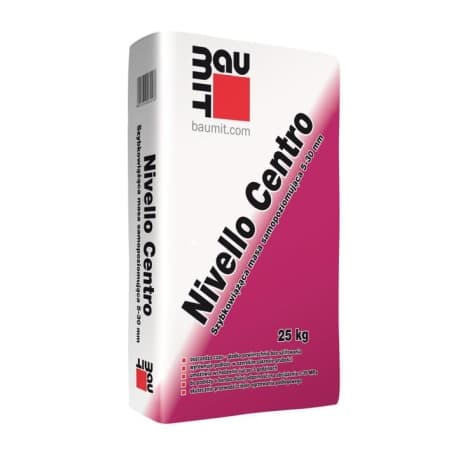
A self-levelling pour is one of the jobs most affected by cold, because it needs to cure evenly through the whole depth of the pour, not just skin over on top. Baumit Quick-Set Self-Levelling Compound is built to go off faster than a standard mix, which is useful on a cold job, but it still needs the room above a minimum temperature to cure properly rather than just setting at the surface. Do not pour onto a stone cold slab after the heating has been off for weeks, and keep draughts and direct heaters off the fresh pour, since uneven drying is what causes curling and cracking at the edges.
Tile adhesive: slower open time works in your favour, up to a point
Cold weather actually extends the open time of a tile adhesive, which sounds helpful, but past a certain point the adhesive simply is not curing at a usable rate and tiles can slip or grab unevenly. Sopro S-Flex Gel Tile Adhesive Grey is a flexible adhesive that handles a cooler room better than a rigid standard mix, but it still has a stated minimum temperature on the bag. Comb on less adhesive at a time in cold conditions and check it has not started skinning over before you bed the tile, a skinned-over adhesive bed is a common cause of tiles coming loose months later.
Silicone sealant needs longer before you test it
Atlas Elastic Sanitary Silicone Sealant skins over more slowly in a cold bathroom, and running water over a bead before it has cured through is one of the most common reasons a winter reseal fails early. Leave the room ventilated rather than sealed up and cold, gentle warmth and airflow cure a bead faster than a cold, closed-up room will.
What to check before you start
| Product | What cold weather changes | What to do |
|---|---|---|
| Gypsum base coat and skim | Slower set, risk of a soft surface | Heat the room before and after application |
| Deep penetrating primer | Much longer drying time | Confirm fully dry, not just touch dry, before the next coat |
| Self-levelling compound | Uneven cure through the depth of the pour | Keep the room at a steady temperature, avoid direct heaters on the pour |
| Tile adhesive | Longer open time, risk of skinning before tiling | Comb smaller areas, check the bed before placing tiles |
| Silicone sealant | Slower skinning and cure | Ventilate rather than seal the room up cold |
A common mistake worth avoiding
Running a space heater directly at a fresh pour, a wet skim coat or a drying primer to speed things along. Direct, uneven heat dries the surface fast while the material underneath is still wet, which is a near guarantee of cracking or a weak surface once everything has gone off. Warm the whole room gently and give the job the time it needs rather than forcing one small area.
Send us your job details
Tell us what you are plastering, tiling or screeding and whether the room has heating on yet, and we will flag anything on the job that needs extra time or a different product for the conditions. In-stock orders go out within 7 working days, and delivery is free in Ballincollig and Cork City. Collection is by appointment only.
Call 085 868 8459 or email sales@all4building.ie and we will sort the materials list out with you.
Need materials for this job?
We deliver trade-quality building materials across Ireland. Call 021 487 6963 or message us on WhatsApp for a quote.
Shop now